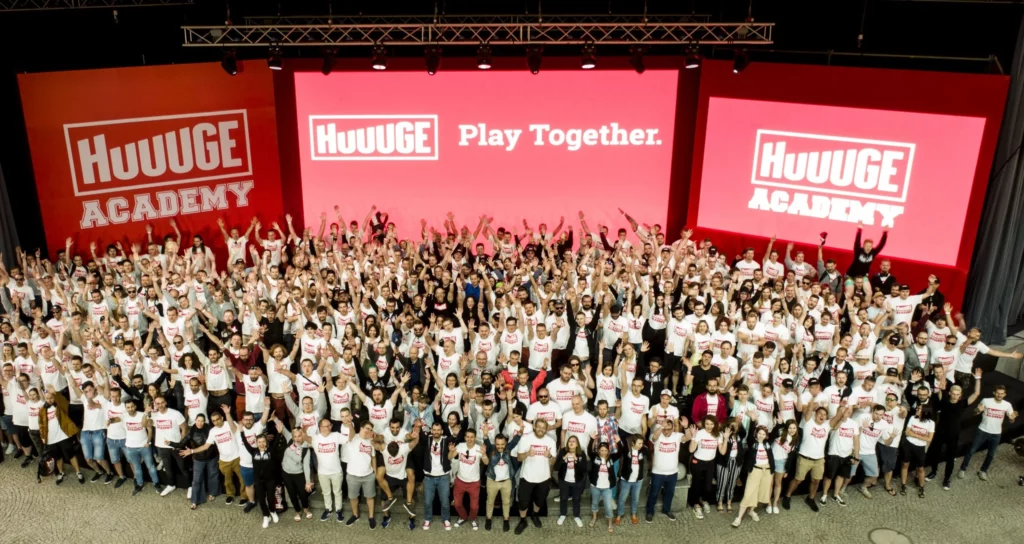
I wrote for Naavik about Huuuge’s planned $150M IPO and how it could fund the company’s next phase of expansion. Read the full article here.
Why I wrote about this
I was not very familiar with the social casino business and the Huuuge intention to float gave a good opportunity to dive into it. The most interesting question was not whether Huuuge could go public, but what it would do with the capital.
The gist of it
Huuuge announced plans to float on the Warsaw Stock Exchange, aiming to raise $150M in new shares alongside secondary sales from existing shareholders. The company would become the 14th game company listed in Poland, joining established names like CD Projekt and Ten Square Games.
Operationally, Huuuge is built on a highly profitable and growing social casino core. Its flagship titles, led by Huuuge Casino, have driven roughly 30% year-on-year revenue growth for three consecutive years while maintaining profitability. Based on disclosed figures through September 2020, full-year revenue likely landed around $330M: a strong foundation heading into public markets.
The challenge lies beyond casino. Huuuge has expanded into publishing and non-casino casual games, but these areas remain early and unproven. Apart from Traffic Puzzle, its publishing efforts have yet to produce major breakout hits. Meanwhile, competitors like Playtika and Aristocrat have successfully diversified through large-scale acquisitions. Huuuge’s past deals have been smaller acquihires, but meaningful diversification requires larger transactions reaching up to triple-digit millions dollars. This is something the IPO proceeds could enable.
Key takeaways
- Huuuge’s social casino business is growing ~30% annually while staying profitable.
- The IPO provides $150M in fresh capital, potentially fueling more ambitious M&A.
- Diversifying beyond social casino is strategically necessary but not easy.
- Competitors’ success in new genres has largely come through sizable acquisitions, not organic expansion alone.
- Going public gives Huuuge both cash and financial instruments to compete more aggressively on the M&A front.