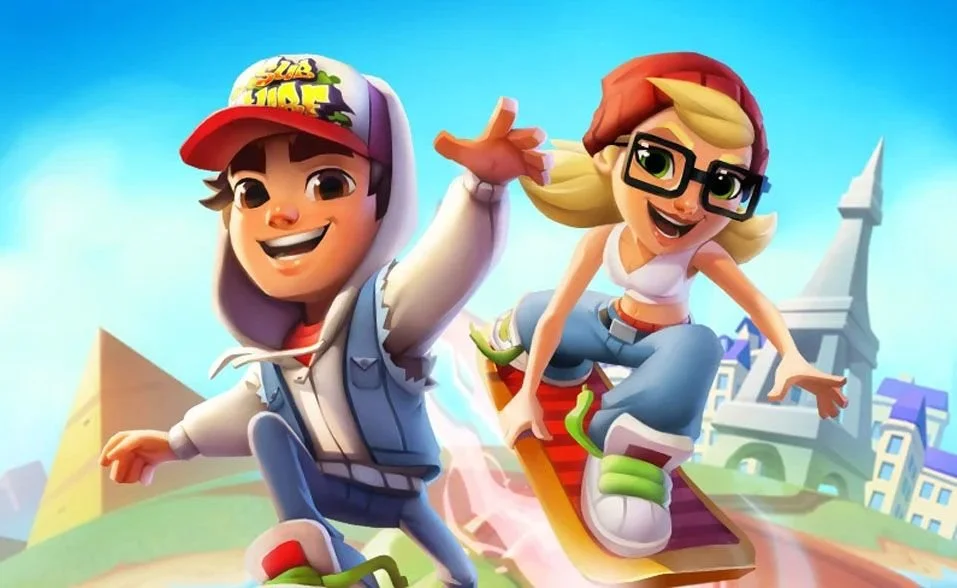
I wrote for Naavik about Miniclip’s acquisition of SYBO, the studio behind Subway Surfers. Read the full article here.
Why I wrote about this
Another day, another big deal. SYBO was Miniclip’s first really big one.
The gist of it
Miniclip announced the acquisition of Copenhagen-based SYBO, the maker of Subway Surfers. While the deal terms weren’t disclosed, the scale of SYBO’s flagship title makes this Miniclip’s largest acquisition to date. Founded in 2010, SYBO struck gold just two years later with Subway Surfers, developed together with Kiloo. The game became an instant hit and, importantly, never really faded.
SYBO hasn’t been able to replicate that success. Follow-ups in the endless runner genre failed to meaningfully scale, and brand extensions like Subway Surfers Match seem unlikely to succeed. But that’s almost beside the point. Subway Surfers remains a juggernaut. On its 10th anniversary, the game posted its best month ever, driven by aggressive live ops and a massive spike in player activity and in-app revenue. Over the past year, it ranked as the second-most downloaded mobile game globally, just behind Free Fire. That kind of sustained scale is rare.
For Miniclip, the logic is straightforward. Since Tencent acquired a majority stake in 2015, Miniclip has been on a steady buying spree, picking up studios with proven free-to-play hits across sports, arcade, and casual categories. The strategy is clear: acquire durable, high-volume games with strong organic reach. Subway Surfers fits perfectly: it is arguably the king of arcade mobile games.
At a portfolio level, consolidation brings leverage. Owning multiple top-grossing, high-download titles in adjacent categories improves user acquisition efficiency, cross-promotion, and data scale.
Key takeaways
- Subway Surfers is a once-in-a-generation arcade hit with exceptional longevity and scale.
- SYBO’s value lies fully in Subway, not its new game pipeline.
- Miniclip continues to execute a roll-up strategy focused on durable free-to-play businesses.
- In mobile games, owning the audience is often more valuable than chasing the next hit.