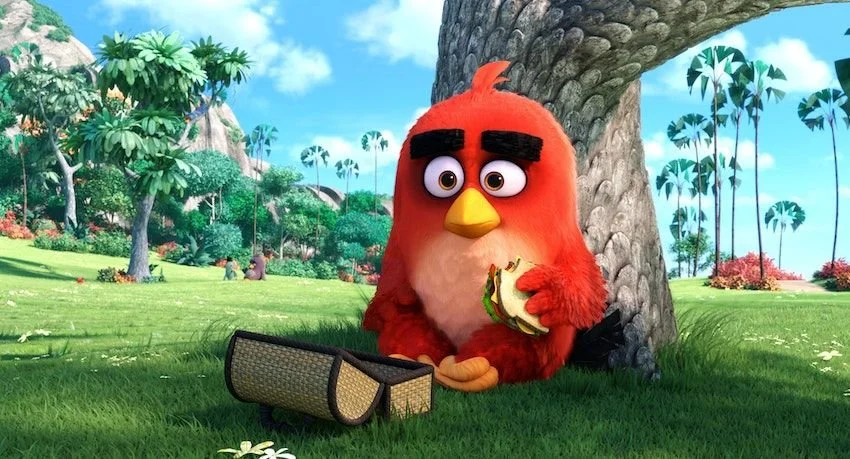
I wrote for Naavik about Playtika’s unsolicited €690 million bid to acquire Rovio Entertainment. Read the full article here.
Why I wrote about this
Rovio holds a special place in my heart. I spent eight formative years there and was priviliged to learn with other people’s money. I thought it very unlikely that the Playtika bid go through.
The gist of it
Playtika offered €9.05 per share in cash, valuing Rovio at roughly €690 million. Compared to Rovio’s pre-announcement share price of €5.67, the bid represented about a 60% premium. The market reacted immediately, sending the stock sharply upward.
On paper, that premium looks generous. But the more interesting question is whether Rovio was undervalued to begin with. Prior to the bid, Rovio was trading at roughly 0.8x EV/Revenue. This is well below Nordic peers such as Mag Interactive and Stillfront, which traded closer to 1.5–2.0x. Rovio generated €286 million in revenue in 2021 and had been consistently profitable throughout its time as a public company. In free-to-play, quarterly profits can be “managed” via marketing spend. Sustained profitability over years is harder to fake.
Rovio also fully owns the Angry Birds IP, a rare asset in a market where many studios build on licensed brands. Add €141 million in cash on the balance sheet, and there was little pressure to rush into a deal. The company’s weak share performance since its 2017 IPO (priced at €11.50) likely reflects missed growth expectations and perhaps the reality of being listed on a relatively small exchange, rather than a fundamentally broken business.
For Playtika, the move fits its long-standing strategy of acquiring scalable live-service titles and optimizing them. But pulling Rovio off Nasdaq Helsinki would require acquiring 90% of the shares. The Hed family collectively controls over 20% of the company, making this far from a straightforward transaction.
And then there’s the soft side of the equation. Playtika’s reputation in Finland is terrible. Following prior acquisitions of Seriously and Reworks, control over key titles shifted abroad and Seriously was shut down. The Finnish industry is tight-knit, and many Rovio employees have direct or indirect connections to those events.
Key takeaways
- A 60% premium sounds attractive, but it may reflect prior undervaluation more than strategic generosity.
- Rovio’s steady profitability, strong balance sheet, and full IP ownership suggest underlying stability.
- The Hed family’s significant ownership stake complicates any path to 90% control.
- Playtika’s local reputation in Finland adds a human and cultural layer to what might otherwise look like a straightforward M&A play.