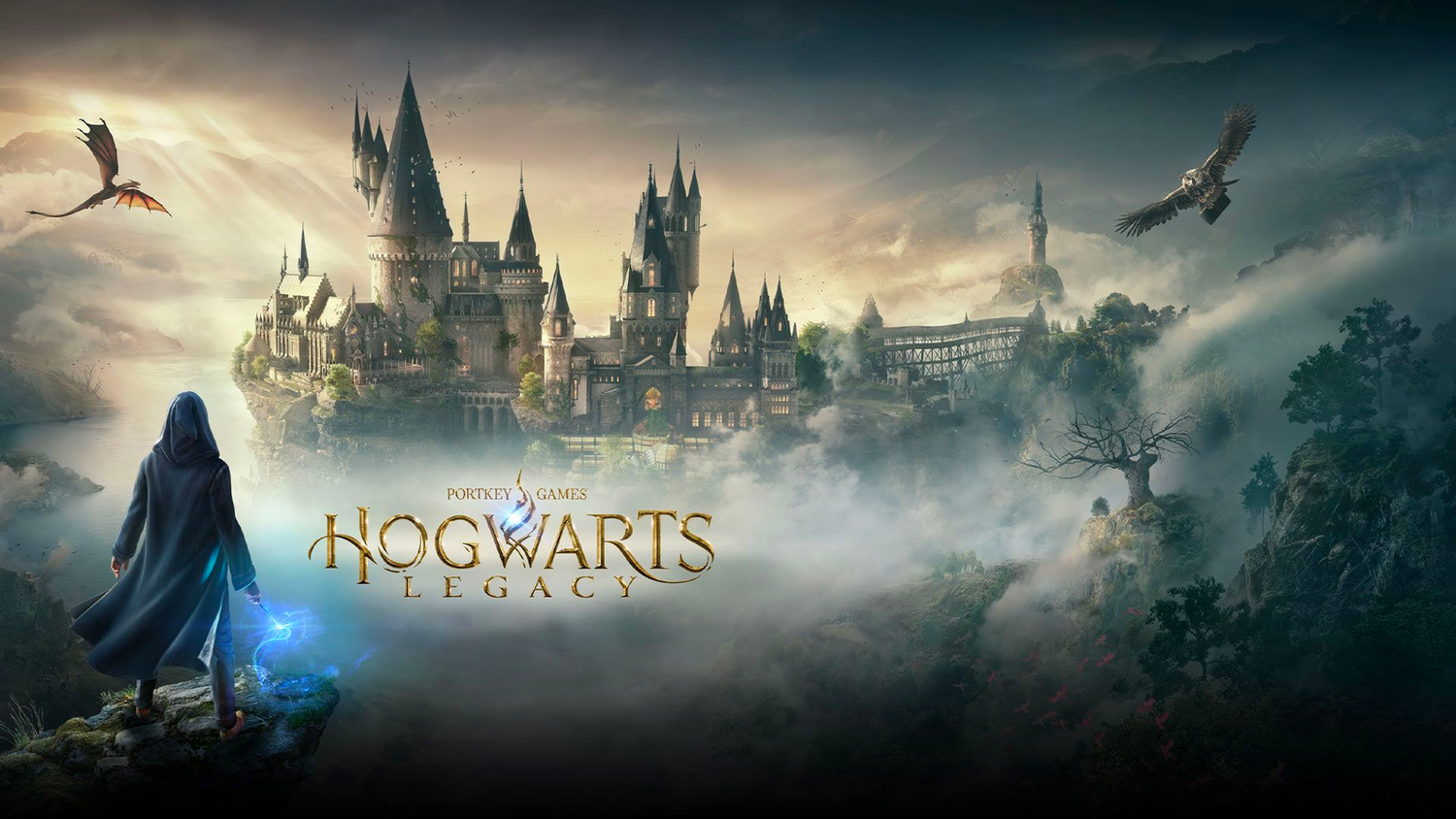
I wrote for Naavik about Hogwarts Legacy’s record-breaking launch for Warner Bros. Read the full article here.
Why I wrote about this
More often than not, big licensed games don’t land. When Hogwarts Legacy really showed up, it was worth digging into why it worked.
The gist of it
On Feb 10, Hogwarts Legacy launched on PC and current-gen consoles to immediate commercial and critical success. Strong pre-orders, solid early Metacritic scores across platforms, and record-breaking Twitch viewership all pointed to a major hit.
The success boils down to two things. First, the obvious: decades of built-up demand for a proper, high-budget Harry Potter game. The Wizarding World is massive, but previous titles, particularly the movie tie-ins of the 2000s, never truly captured the fantasy. Second, Avalanche delivered a competent open-world action RPG that lets players feel like a witch or wizard. The mechanics and writing may not redefine the genre, but the player fantasy carries enormous weight. Few IPs are as naturally suited to open-world exploration as Hogwarts and its surroundings.
Behind the scenes, Avalanche Software (the Utah-based studio, not the Just Cause developer) is a veteran team with roots in arcade ports and later Disney Interactive, where it built Disney Infinity. After Disney exited internal game development, Warner Bros acquired the studio, and Hogwarts Legacy became its breakout moment.
Of course, no discussion of the game is complete without acknowledging the controversy. J.K. Rowling’s public statements sparked boycott calls ahead of launch. Additionally, some players criticized the game’s narrative framing of a goblin rebellion, arguing that its moral positioning raises uncomfortable questions.
Nevertheless, commercial performance appears unaffected. Hogwarts Legacy is on track to become the biggest launch in Warner Bros Games’ history, and possibly one of the biggest games of 2023.
Key takeaways
- The Wizarding World remains massively under-monetized in premium gaming relative to its cultural footprint.
- Strong IP + competent execution in a proven genre can be enough for breakout success.
- Delivering on player fantasy often matters more than mechanical perfection.