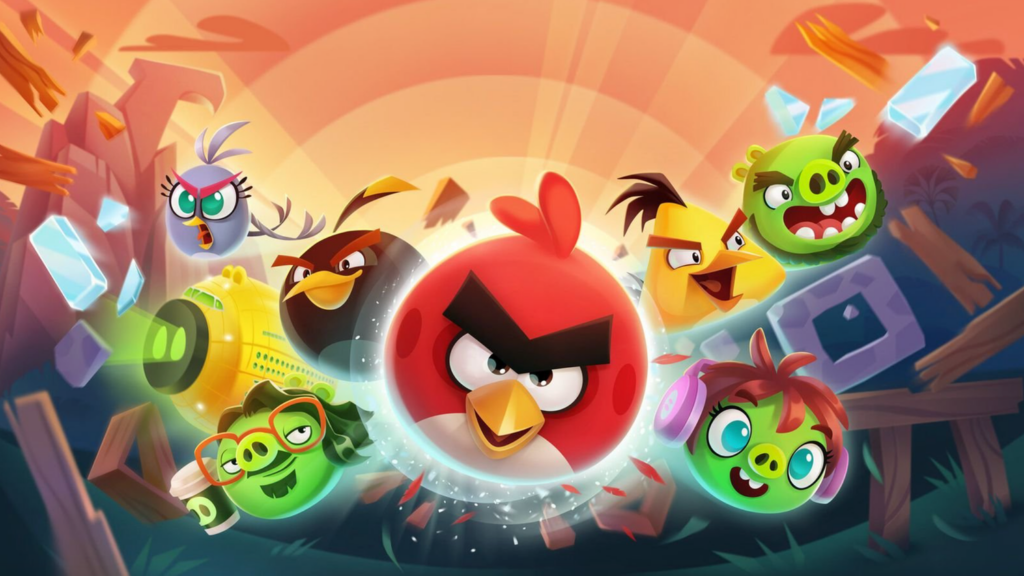
I wrote for Naavik about Sega’s acquisition of Rovio. Read the full article here.
Why I wrote about this
After covering Playtika’s unsolicited bid for Rovio earlier in the year, it was clear a deal was coming. The more interesting question wasn’t if Rovio would be acquired but by whom, and why Sega Sammy in particular would make this move.
The gist of it
Sega announced it will acquire Rovio for €706 million, or €9.25 per share, a 63% premium to Rovio’s January share price. The price is only marginally above Playtika’s earlier €9.05 offer and still well below Rovio’s 2017 IPO price of €11.50. But the market, especially post-ATT, has not been kind to mid-sized mobile publishers. Rovio has become a stable, profitable operator built around evergreen titles rather than a high-growth rocketship.
To understand the deal, you have to look at Sega Sammy’s history. Born from a 2004 merger between struggling console maker Sega and pachinko giant Sammy, the group has steadily shifted toward video games as pachinko revenues declined. Over the years, it has acquired strong, autonomous studios: Creative Assembly (Total War), Sports Interactive (Football Manager), Atlus (Persona), Relic, and Two Point Studios among others. Sega has largely let them run independently.
Mobile, however, has remained Sega’s weak spot. Aside from a short-lived stint with Demiurge, Sega has struggled to build meaningful internal mobile capabilities. Its biggest recent mobile revenue driver, Project SEKAI, is heavily reliant on licensed IP and external development. Rovio, by contrast, has demonstrated it can operate long-running free-to-play hits profitably. Angry Birds 2 (launched in 2015) and Angry Birds Dream Blast continue to generate steady revenues years after release.
Strategically, the combination makes sense. Sega gets a proven F2P operator with deep mobile expertise. Rovio gains access to Sega’s global publishing muscle and cross-platform capabilities. Both companies revolve around evergreen, globally recognized IP. In hindsight, a deal between Sonic and Angry Birds feels less surprising than it first appeared.
Key takeaways
- €706M deal value at €9.25 per share, a 63% premium to pre-rumor trading levels.
- Rovio is a profitable, mature F2P operator anchored by long-lived titles like Angry Birds 2 and Angry Birds Dream Blast.
- Sega Sammy has a strong track record of acquiring and leaving studios autonomous. Mobile has been Sega’s strategic gap; Rovio fills that capability hole immediately.
- We should see Angry Birds on PC/console with Sega backing, and new Sonic attempts on mobile.