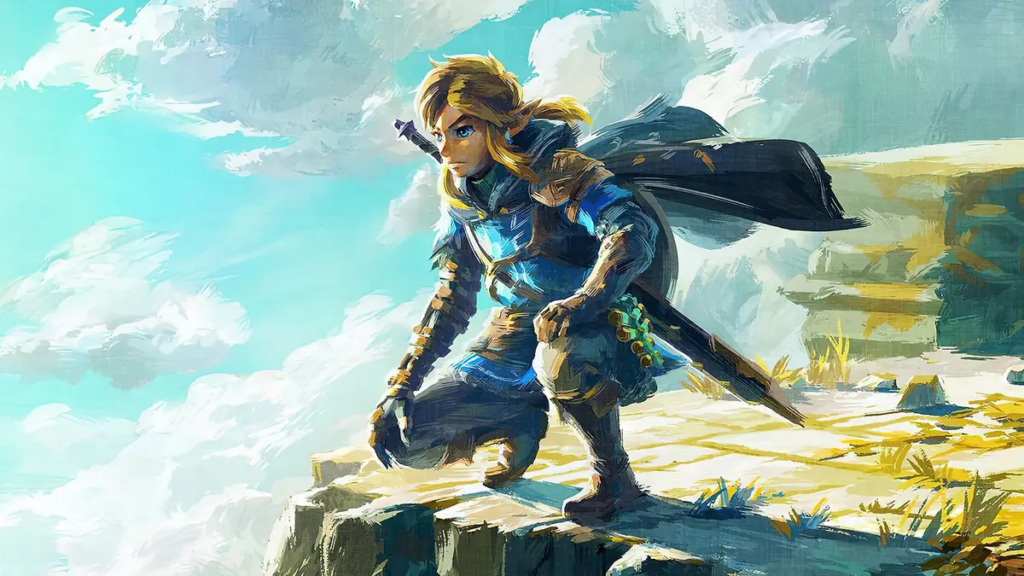
I wrote for Naavik about Nintendo’s newly announced live-action Legend of Zelda movie. Read the full article here.
Why I wrote about this
Lots of reasons. First, I’m a big Zelda fan. Second, I like zooming out and seeing how these announcements actually fit into the bigger picture. And finally, digging through the BoxOfficeMojo numbers was a fun throwback to my time as an analyst at Rovio during the height of licensing and Angry Birds movie hype.
The gist of it
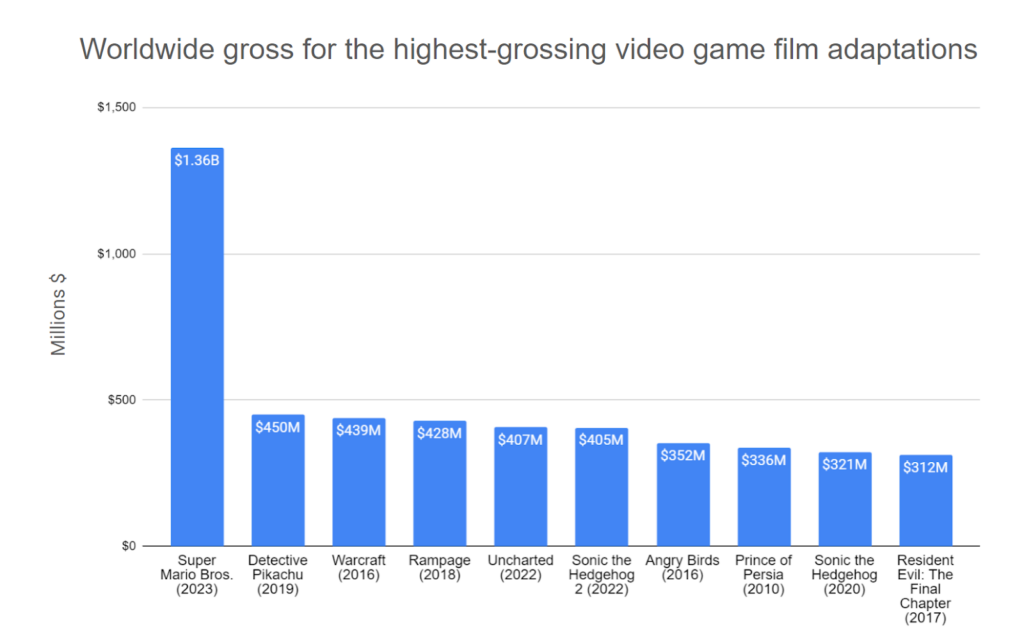
Nintendo confirmed it is developing a live-action Legend of Zelda film, produced by Avi Arad, directed by Wes Ball, and written by Derek Connolly. The announcement comes on the heels of The Super Mario Bros. Movie grossing roughly $1.4 billion worldwide, making it one of the highest-grossing animated films ever and one of 2023’s biggest box office hits overall.
Hollywood today runs on recognizable IP, especially in a high-budget environment where risk mitigation is everything. Recent video game adaptations like Warcraft ($439M), Uncharted ($407M), and the two Sonic films ($726M combined) show that the stigma of the ’90s flops is long gone. Mario’s performance pushed game movies firmly into blockbuster territory.
That said, Zelda is a different beast from Mario or Pokémon. It carries darker themes, a mostly silent protagonist, and gameplay built around solitude and puzzles. Nintendo seems well aware of the challenge. Shigeru Miyamoto emphasized patience, creative control, and long-term commitment, signaling that this won’t be a rushed cash grab.
More broadly, this move fits into Nintendo’s evolving strategy. The open question is whether Nintendo becomes “the Disney of games”, vertically integrated and tightly controlled, or continues extending its brands primarily through external partners like Universal and Sony.
Key takeaways
- Nintendo is doubling down on film after Mario’s $1.4B success.
- Hollywood’s reliance on established IP makes major game adaptations increasingly attractive.
- Zelda is a more complex and riskier adaptation than Mario or Pokémon.
- Finally, Nintendo is positioning itself as a long-term IP powerhouse, not just a game developer.