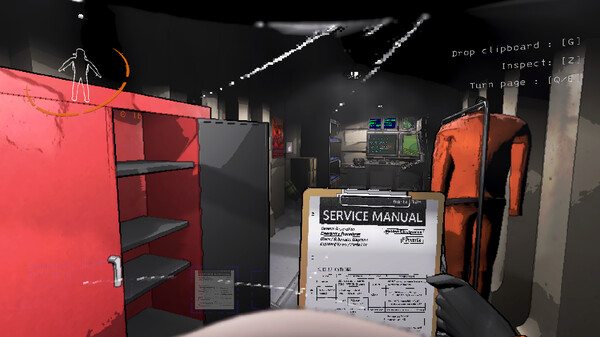
I wrote for Naavik about Lethal Company and what its breakout success says about indie horror, solo developers, and modern creator platforms. Read the full article here.
Why I wrote about this
Lethal Company is everywhere. Steam as a business is far less familiar to me than mobile free-to-play, which is exactly why a phenomenon like this makes me want to look deeper.
The gist of it
First, Lethal Company didn’t come out of nowhere. Its solo developer, Zeekerss, has been building horror experiences for over a decade, starting with Roblox projects and later shipping multiple Unity titles on Steam. The game reflects real genre fluency, blending inspirations like Five Nights at Freddy’s, Phasmophobia, and SCP-style worldbuilding into something that feels both familiar and fresh.
Second, solo developers can still break through on Steam. At the time of writing, Lethal Company ranked as the sixth most-played game on Steam (per SteamDB). It joins other solo-developed hits like Unturned, Stardew Valley, and Geometry Dash in proving that one-person teams can build enduring, top-charting products in an era dominated by massive studios.
Third, platforms like Roblox and UEFN have become the new modding scene. They function as training grounds where young developers learn not just coding and design, but live ops, monetization, and community management. Lethal Company’s planned weekly challenges show how that live-service mindset carries over. Today’s UGC ecosystems are quietly incubating the next generation of breakout creators.
Key takeaways
- Breakout “overnight” successes are usually a decade in the making.
- Solo developers can compete at the very top of Steam’s charts.
- Roblox and UEFN now play the role modding once did: talent incubators.