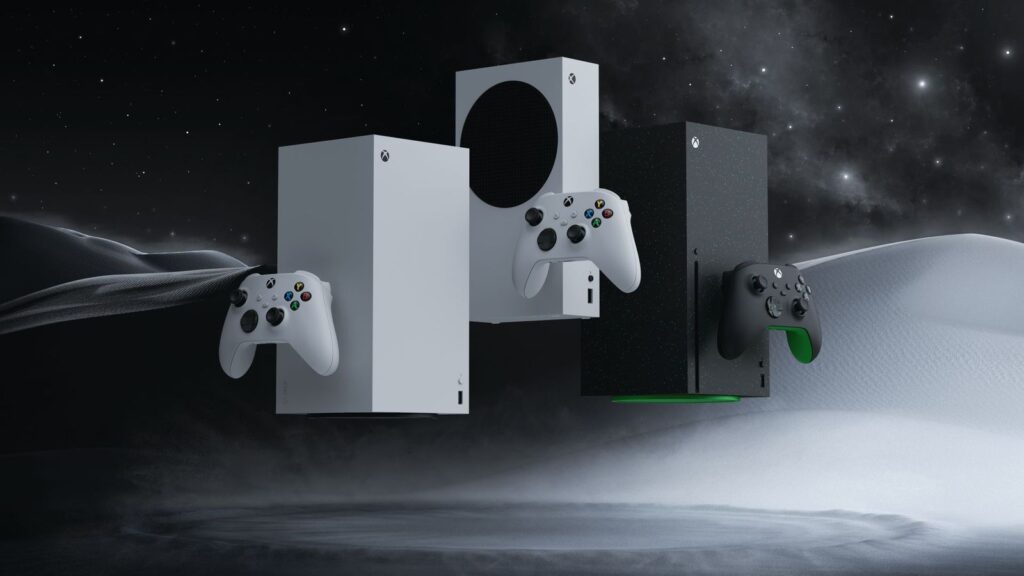
I wrote for Naavik about why Xbox might be better off outside Microsoft. Read the full article here.
Why I wrote about this
For some time now, it has seemed that Xbox is done. As the mothership reorients itself to become an AI company first and foremost, there appears to be little room within Microsoft for a hardware platform or a creative games business.
The gist of it
Xbox has spent the past decade assembling one of the largest portfolios in gaming, culminating in the $75B Activision Blizzard acquisition. Yet the output hasn’t matched the scale. Several high-profile projects have been canceled or underperformed, while the platform’s biggest successes (Call of Duty, Minecraft, and Diablo) aren’t original Xbox creations. For a division backed by one of the richest companies in the world, Xbox increasingly feels like it lacks a clear creative center.
At the same time, Xbox’s platform strategy has undermined its own hardware business. The “play anywhere” philosophy spreads Xbox games across competing platforms, weakening the very exclusives that traditionally sell consoles. With the PlayStation 5 outselling Xbox by a wide margin and Microsoft experimenting with third-party hardware like the Asus ROG Ally partnership, the company may already be retreating from dedicated console manufacturing.
Meanwhile, Game Pass, the centerpiece of Microsoft’s gaming strategy, appears to have stalled far short of the scale needed to make the subscription model dominant. Without tens of millions more subscribers, the economics become difficult, especially when day-one releases risk cannibalizing traditional game sales.
All of this is happening as Microsoft’s strategic focus shifts toward AI, leaving Xbox as a relatively small, consumer-facing business that increasingly feels out of step with the company’s priorities.
Key takeaways
- Xbox’s massive studio portfolio hasn’t translated into consistent flagship hits, leaving the platform reliant on acquired IP rather than internally driven success.
- The “play anywhere” approach weakens Xbox hardware by removing the exclusives that traditionally drive console sales.
- Game Pass has plateaued below the scale needed to fully support its subscription-first model.
- Microsoft’s growing focus on AI makes Xbox strategically awkward inside the company’s broader priorities.
- Spinning Xbox off would give it a chance to refocus on games, hardware, and identity without being constrained by Microsoft’s corporate strategy.