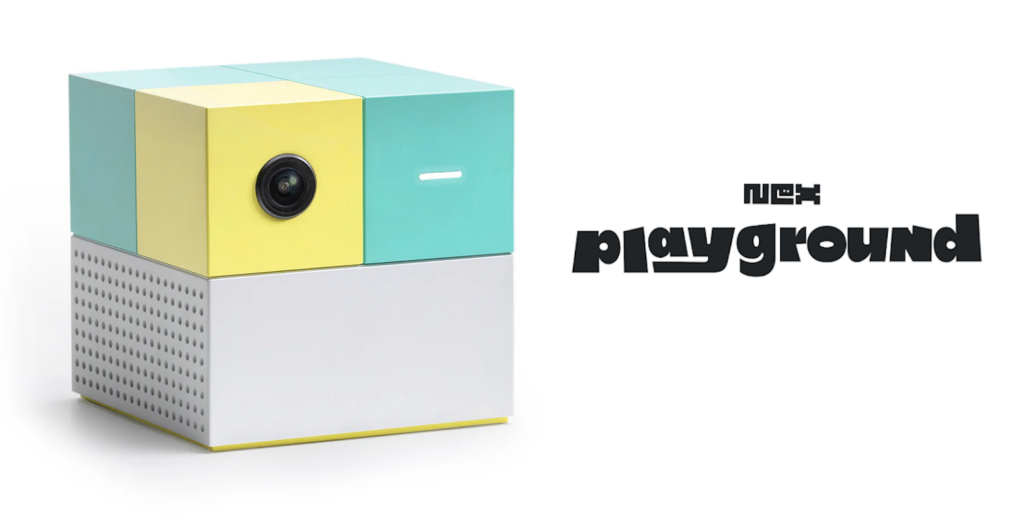
I wrote for Naavik about Nex Playground and the return of motion gaming. Read the full article here.
Why I wrote about this
In a year when traditional console sales were down, a small newcomer quietly grabbed 14% of U.S. console unit sales during Black Friday week. That alone deserved a closer look.
The gist of it
Nex Playground is a $249 TV-connected console with a built-in wide-angle camera that tracks body motion. It’s essentially a modern, cheaper reinterpretation of Wii and Kinect. It’s controller-free, kid-safe by design, and built around family-friendly active games. With an $89 annual subscription (adopted by an estimated majority of buyers), Nex likely generated over $180 million in retail revenue in 2025 on roughly 650,000 units sold.
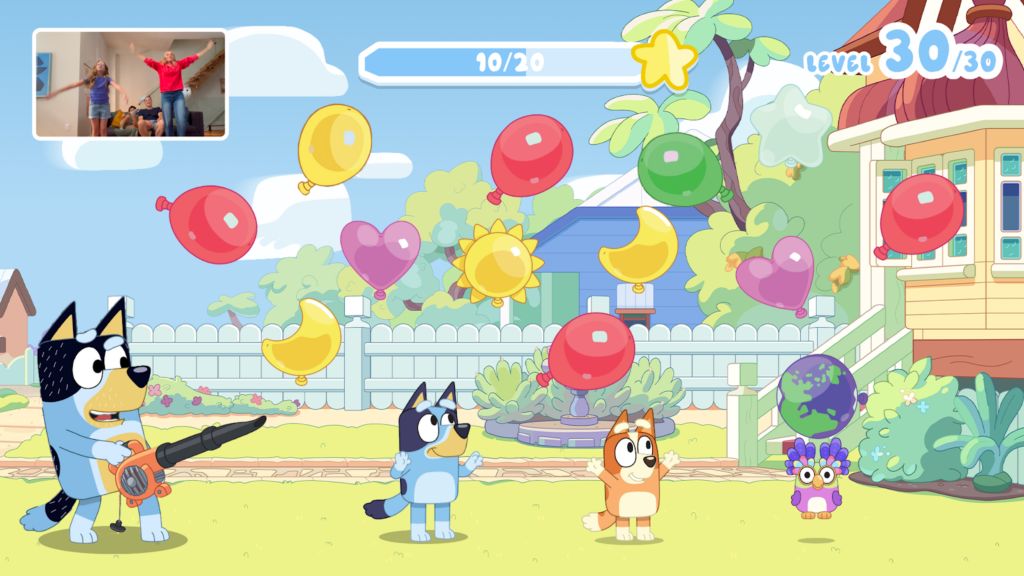
While that scale doesn’t threaten the incumbents, it’s very much notable for a new hardware entrant in a mature market. However, Nex didn’t emerge from nowhere: the company spent years building computer vision tech through products like HomeCourt and Active Arcade before realizing its games worked best on the living room TV. After a partnership with Sky, the team made the bold move to build their own hardware.
What really unlocked growth was distribution and positioning. Nex leaned heavily into mass retail, impulse-friendly demos, and a price point far below major consoles. More importantly, it tapped into a modern parenting tension: how to offer “benign” screen time that gets kids moving. Licensed IP like Bluey, Peppa Pig, and Sesame Street provided instant trust for families unfamiliar with the brand.
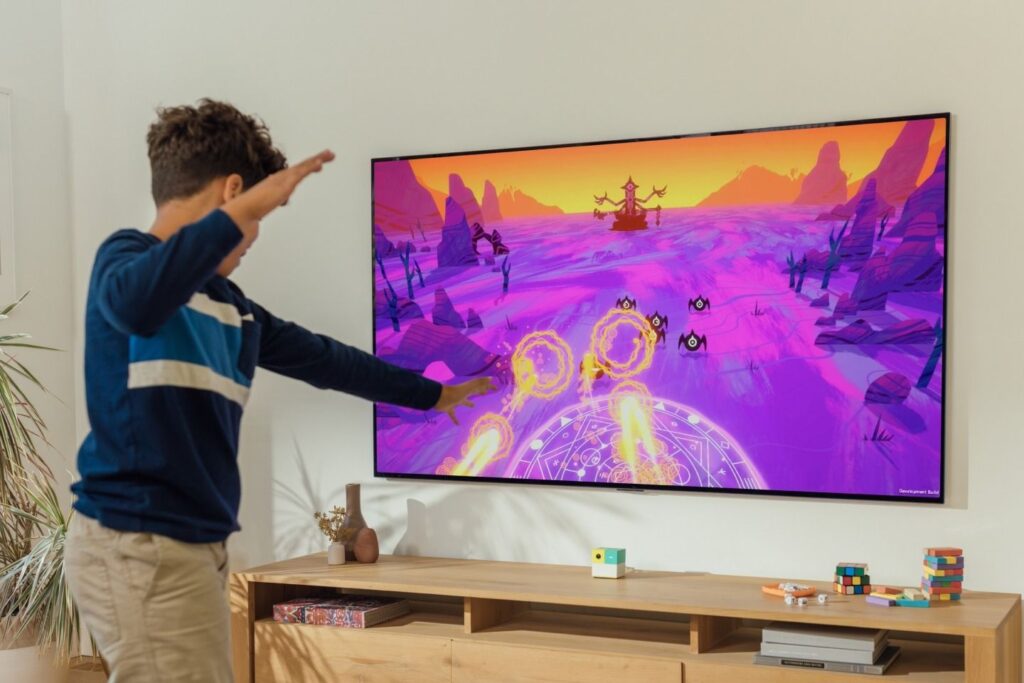
The bigger question now is retention. Motion gaming historically fades once novelty wears off. To build a durable business, Nex will need a steady stream of meaningful new content and experiences that form habits. This could potentially be in fitness, where subscription economics and daily engagement can shine. The opportunity is real, but so is the execution risk.
Key takeaways
- Nex proved there’s still room for new hardware if it targets an underserved use case.
- Retail presence, approachable pricing, and strong IP licensing were critical to early traction.
- The subscription model may succeed where Wii Fit-era one-off sales could not.
- Retention, not hardware sales, will determine whether Nex becomes a platform or a fad.
- Sometimes innovation is less about inventing something new and more about refining ideas others left behind.